Can Hijama Help Support Muscle Growth and Recovery?
Hijama, also known as wet cupping therapy, is an ancient healing practice that many athletes and fitness enthusiasts now explore for recovery support. Although it does not directly build muscle, it may play a supportive role in muscle recovery, inflammation management, and overall physical performance. In this article, we break down how Hijama may influence muscle growth indirectly and what current understanding suggests.
What Happens During Hijama?
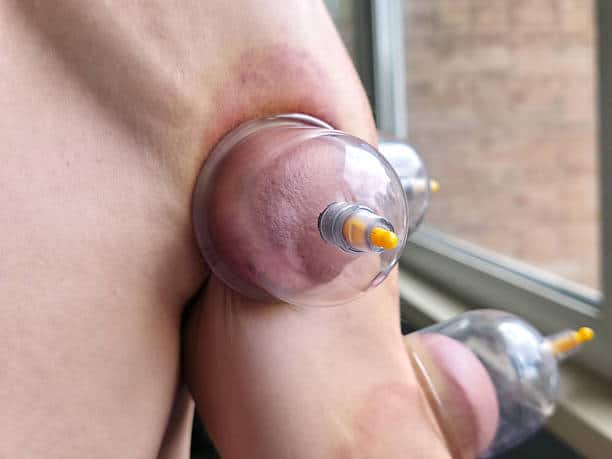
Hijama involves creating suction on the skin using cups, and in wet cupping, a practitioner makes small controlled incisions to draw out a minimal amount of blood. Traditionally, this process aims to remove stagnant blood and improve circulation.
Moreover, many modern explanations focus on physiological effects such as increased blood flow, reduced muscle tightness, and possible changes in inflammatory markers. However, research is still limited, so conclusions remain cautious.
How Hijama May Support Muscle Recovery
Muscle recovery plays a major role in muscle growth. When you train, you create micro-tears in muscle fibers. Therefore, your body must repair these fibers to make them stronger.
Hijama may support this process in several indirect ways:
1. Improved Blood Circulation
Hijama may increase localized blood flow. As a result, more oxygen and nutrients may reach muscle tissues. In addition, this can support the natural repair process after intense workouts.
2. Reduced Muscle Tightness
Many athletes report reduced stiffness after cupping sessions. For example, tight shoulders or sore lower back muscles often feel looser. Meanwhile, improved mobility can help you return to training sooner.
3. Possible Reduction in Inflammation
Inflammation is a natural response to training stress. However, excessive inflammation can slow recovery. Some studies suggest cupping therapy may help regulate inflammatory responses. Therefore, athletes may experience faster relief from soreness.
4. Pain Relief Effects
Hijama may stimulate nerve endings and trigger pain-relief responses. In addition, this may help reduce delayed onset muscle soreness (DOMS), which often appears 24–72 hours after exercise.
Can Hijama Directly Increase Muscle Growth?
Hijama does not directly increase muscle size. Muscle growth depends mainly on progressive overload, nutrition, sleep, and hormone regulation. However, because Hijama may improve recovery, it can indirectly support better training consistency.
For example, if you recover faster, you may train more effectively. Moreover, consistent training over time leads to better muscle development. Therefore, Hijama can act as a supportive recovery tool rather than a growth trigger.
Hijama and Athletic Performance
Athletes often look for ways to improve performance safely. Hijama may help in the following ways:
- It may reduce post-training fatigue
- It may improve range of motion
- It may help manage chronic muscle tightness
- It may support relaxation and stress reduction
In addition, better recovery often leads to better performance in future workouts. However, results vary from person to person.
Scientific Evidence: What Do We Know?
Research on Hijama and athletic recovery remains limited. Some small studies suggest positive effects on pain relief and muscle recovery markers. However, more large-scale clinical trials are needed.
Moreover, most evidence currently comes from athlete reports and traditional practice rather than strong clinical consensus. Therefore, it is important to treat Hijama as a complementary therapy, not a primary treatment.
When Hijama May Be Useful for Fitness Enthusiasts
Hijama may be more useful in certain situations, such as:
- After intense strength training sessions
- During recovery from muscle overuse
- When dealing with chronic stiffness
- During training phases with high workload
For example, hijama for bodybuilders, runners, and CrossFit athletes sometimes use cupping therapy during deload weeks. Meanwhile, others include it in their monthly recovery routine.
Important Considerations
Although Hijama may offer benefits, it is not suitable for everyone. Therefore, you should consider the following:
- Always use a trained and certified practitioner
- Avoid it on injured or infected skin
- Stay hydrated before and after the session
- Allow proper rest after treatment
In addition, you should not replace medical treatment or proper recovery methods with Hijama alone.
Hijama vs Other Recovery Methods
Hijama is just one of many recovery tools. For example, athletes also use:
- Massage therapy
- Ice baths
- Stretching and mobility work
- Active recovery sessions
However, Hijama may complement these methods rather than replace them. Moreover, combining multiple recovery strategies often produces better results than relying on one approach.
Final Thoughts
Hijama may support muscle recovery by improving circulation, reducing soreness, and helping manage inflammation. However, it does not directly build muscle. Instead, it can indirectly support muscle growth by improving recovery quality and training consistency.
Therefore, if you use Hijama as part of a balanced fitness routine that includes proper nutrition, training, and rest, it may offer additional recovery support. Still, more scientific research is needed to fully confirm its long-term effects on athletic performance.
FAQs
1. Does Hijama build muscle directly?
No, Hijama does not directly build muscle. However, it may support recovery, which helps you train more effectively over time.
2. How often should athletes do Hijama?
Frequency depends on your body and training load. However, many people choose once a month or during recovery phases.
3. Is Hijama safe for athletes?
Yes, it is generally safe when performed by a trained practitioner. However, you should avoid it if you have skin infections or certain medical conditions.
4. Can Hijama reduce muscle soreness?
Yes, many people report reduced soreness after cupping therapy. Moreover, it may help relax tight muscles.
5. Should I do Hijama before or after workouts?
Most people prefer doing it after workouts or during rest days. Therefore, it does not interfere with training performance.