Can Hijama Support Recovery After a Bodybuilding Competition?
Bodybuilding competitions push the human body to its absolute limits. Athletes go through intense training cycles, strict dieting, dehydration phases, and peak-week protocols. However, once the competition ends, the real challenge begins: recovery. Many athletes now explore alternative therapies like Hijama (Cupping Therapy) to help the body bounce back faster. So, can Hijama actually support recovery after a bodybuilding competition? Let’s break it down in a clear and practical way.
What Happens to the Body After a Competition?
After a bodybuilding show, the body experiences a mix of physical and hormonal stress. For example, glycogen stores drop, muscle tissue stays inflamed, and the nervous system feels drained. Moreover, dehydration during peak week can reduce circulation efficiency and slow down recovery.
In addition, athletes often experience:
- Muscle soreness and stiffness
- Water and electrolyte imbalance
- Poor sleep quality
- Hormonal fluctuations
- Mental fatigue and post-show crash
Therefore, recovery becomes a priority, not an option.
How Hijama May Support Recovery
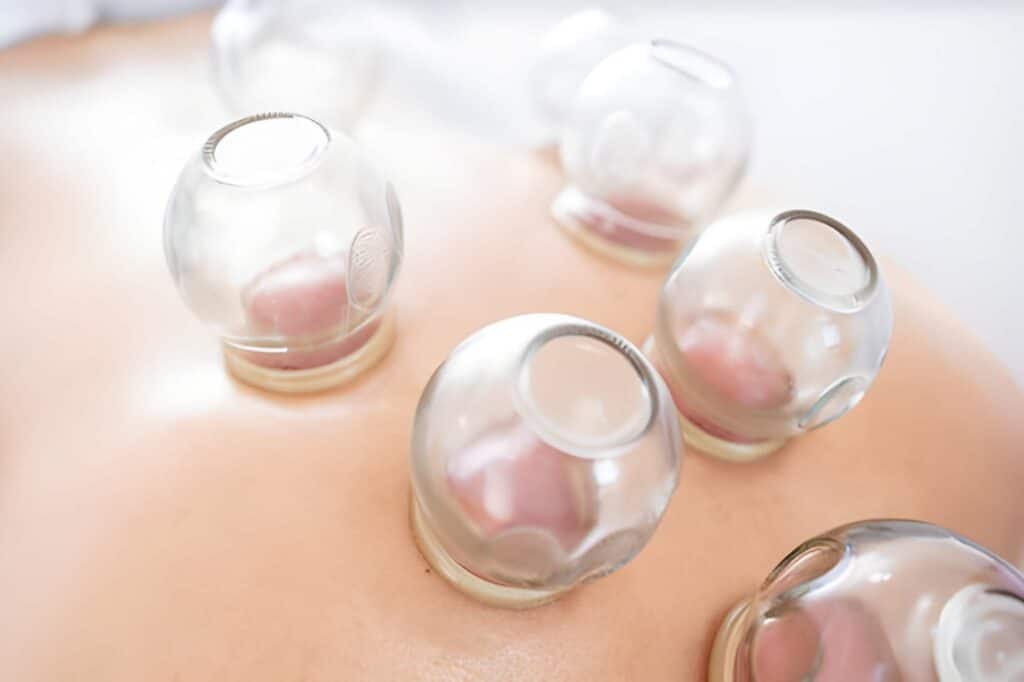
Hijama, also known as cupping therapy, uses suction to stimulate blood flow and promote healing. However, wet cupping goes a step further by drawing small amounts of blood to potentially remove metabolic waste from tissues.
1. Improves Blood Circulation
Firstly, Hijama may enhance local blood flow. Better circulation delivers oxygen and nutrients to fatigued muscles. As a result, the body can repair micro-tears faster after intense training and posing routines.
2. Helps Reduce Muscle Tightness
Moreover, many athletes report reduced muscle stiffness after cupping sessions. The suction effect helps relax tight fascia and muscle knots. Consequently, mobility improves, which becomes crucial during post-competition recovery.
3. Supports Detoxification Feelings
Although scientific evidence remains mixed, many practitioners believe wet cupping may help the body eliminate metabolic waste. In addition, athletes often feel lighter or less bloated after sessions, especially after peak-week stress.
4. May Reduce Delayed Onset Muscle Soreness (DOMS)
After competition, DOMS can feel intense due to extreme training phases. However, Hijama may reduce soreness by improving circulation and calming local inflammation responses.
5. Helps Stress and Mental Recovery
Furthermore, post-competition depression affects many bodybuilders. Hijama sessions often create a calming effect on the nervous system. Therefore, athletes may experience reduced stress and improved relaxation.
When Should a Bodybuilder Get Hijama After a Show?
Timing plays a major role in recovery. Immediately after competition, the body remains in a highly stressed state. Therefore, most practitioners suggest waiting at least 3 to 7 days before starting Hijama.
However, the ideal timing depends on:
- Hydration levels
- Skin condition
- Overall fatigue
- Diet stabilization
In addition, athletes should avoid doing Hijama right after extreme dehydration or during severe muscle cramps.
Best Areas for Hijama in Recovery
Practitioners usually target areas that carry the most tension after bodybuilding prep. For example:
- Upper back and shoulders (posing strain)
- Lower back (heavy compound lifts)
- Hamstrings and glutes (deadlifts and squats)
- Neck area (stress and posture tension)
Moreover, targeting these areas can help restore mobility and reduce stiffness faster.
Important Considerations Before Choosing Hijama
Although Hijama offers potential benefits, athletes should approach it carefully. For instance, not every body reacts the same way.
1. Hydration Matters
First, athletes must rehydrate properly before and after the session. Since the body already experiences fluid loss post-show, hydration becomes essential.
2. Choose a Qualified Practitioner
In addition, a certified Hijama therapist ensures proper hygiene and safe application. Poor technique can cause unnecessary bruising or discomfort.
3. Avoid Overdoing It
Moreover, excessive sessions can stress the body further. Therefore, most athletes benefit from one or two sessions during early recovery.
4. Combine With Proper Recovery Methods
Hijama works best when combined with:
- Sleep optimization
- Protein-rich nutrition
- Light mobility work
- Electrolyte replenishment
As a result, recovery becomes more balanced and effective.
Hijama vs Traditional Recovery Methods
Bodybuilders usually rely on ice baths, massage therapy, stretching, and active recovery. However, Hijama adds a different dimension.
For example:
- Massage improves muscle relaxation
- Ice baths reduce inflammation
- Stretching improves flexibility
- Hijama focuses on circulation and deep tissue response
Therefore, Hijama can complement traditional recovery rather than replace it.
Does Science Fully Support Hijama for Athletes?
Research on cupping therapy shows mixed but promising results. Some studies highlight improved blood flow and reduced pain perception. However, more large-scale research still needs to confirm long-term performance benefits.
Nevertheless, many athletes continue using Hijama based on personal experience and recovery feedback. Moreover, individual response plays a huge role in its effectiveness.
Conclusion
Hijama may support recovery after a bodybuilding competition by improving circulation, reducing muscle tightness, and promoting relaxation. However, it works best as part of a complete recovery strategy that includes nutrition, hydration, and rest.
Therefore, if a bodybuilder uses it correctly and at the right time, Hijama can become a useful tool in post-competition recovery.
FAQs
1. Is Hijama safe after bodybuilding competitions?
Yes, it is generally safe when performed by a trained practitioner. However, athletes should avoid it during extreme dehydration or acute fatigue.
2. How soon can I do Hijama after a show?
Most experts recommend waiting 3 to 7 days after competition to allow the body to stabilize.
3. Can Hijama improve muscle growth recovery?
Hijama may support recovery indirectly by improving blood flow and reducing muscle tightness. However, it does not directly build muscle.
4. Does Hijama reduce soreness after intense training?
Yes, many athletes report reduced soreness and stiffness after sessions due to improved circulation.
5. How many sessions do I need after a competition?
Usually, 1 to 2 sessions are enough during the recovery phase. Overuse is not recommended.