Can Hijama Support Overall Eye Wellness?
Hijama, also known as wet cupping therapy, has gained attention in wellness circles for its potential role in supporting overall health. Interestingly, many people now ask a focused question: can Hijama support overall eye wellness? While researchers still explore this area, traditional practitioners and holistic health enthusiasts suggest that Hijama may indirectly support eye health by improving circulation, reducing inflammation, and promoting detoxification.
In this article, we will explore how Hijama may influence eye wellness, what mechanisms might be involved, and what you should realistically expect.
What Is Hijama Therapy?
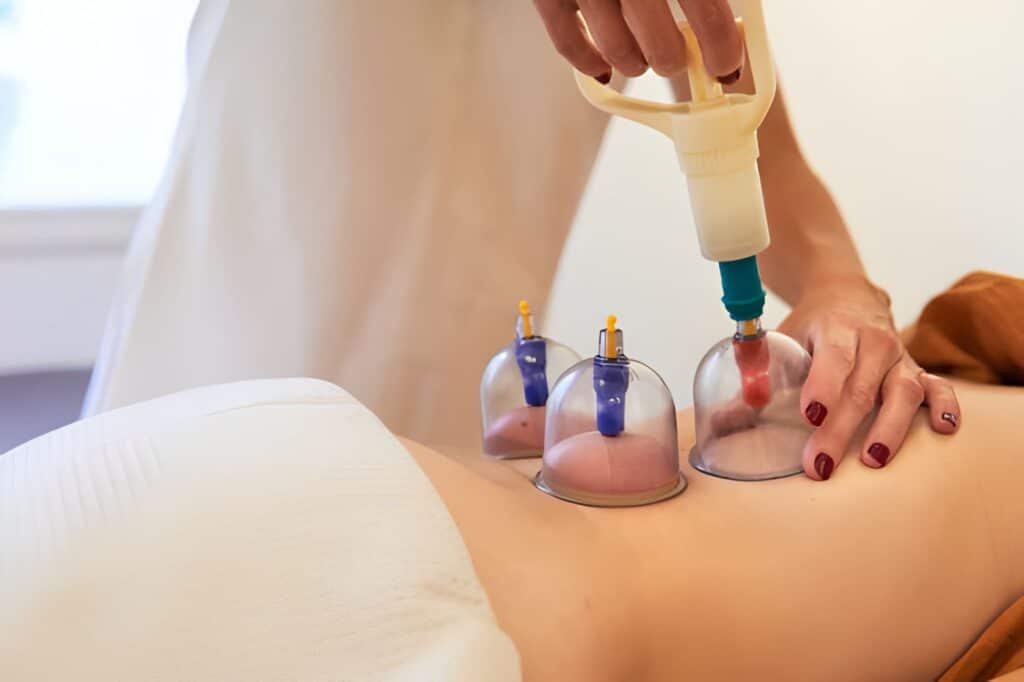
Hijama involves creating gentle suction on specific points of the body using cups. After that, a trained practitioner makes superficial incisions to draw out a small amount of blood. Traditionally, practitioners believe this process helps remove stagnant or impure blood from the body.
Moreover, many people use Hijama for general wellness, including pain relief, stress reduction, and improved energy levels. However, when it comes to eye health specifically, the benefits are more indirect rather than direct treatment of eye conditions.
How Hijama May Support Eye Wellness
Although Hijama does not directly treat eye diseases, it may support the body systems that influence eye health. Let’s break this down.
1. Improved Blood Circulation
First and foremost, Hijama may improve blood circulation. Better circulation means your eyes receive more oxygen and nutrients.
As a result, the optic nerves and surrounding tissues may function more efficiently. In addition, improved microcirculation can reduce strain caused by poor blood flow.
2. Reduced Inflammation in the Body
Furthermore, Hijama may help reduce systemic inflammation. Chronic inflammation often affects different parts of the body, including tissues around the eyes.
For example, people with high inflammatory load sometimes experience dryness, irritation, or fatigue in the eyes. Therefore, reducing inflammation may indirectly support eye comfort and wellness.
3. Detoxification Support
In addition, many practitioners believe Hijama helps the body eliminate waste products from the bloodstream. Although scientific evidence remains limited, supporters suggest that this detox effect may reduce oxidative stress.
Consequently, lower oxidative stress may benefit sensitive organs like the eyes, which are highly vulnerable to environmental damage.
4. Stress Reduction and Nervous System Balance
Moreover, Hijama sessions often create a calming effect on the nervous system. Stress plays a major role in eye strain, blurred vision episodes, and headaches.
As a result, when the body relaxes, eye muscles may also release tension. This can lead to a subjective feeling of improved visual comfort.
Hijama Points Traditionally Linked to Eye Health
Traditionally, practitioners sometimes use specific points on the upper back, neck, and head area when aiming to support eye wellness.
For instance, points near the cervical spine may influence blood flow to the head region. Additionally, scalp points may help relieve pressure and tension.
However, it is important to understand that these approaches come from traditional practices rather than modern clinical ophthalmology.
What Hijama Cannot Do for Eye Health
Although Hijama may offer supportive benefits, it does not replace medical treatment. Therefore, you should not rely on it for serious eye conditions.
For example, Hijama cannot treat:
- Glaucoma
- Cataracts
- Retinal disorders
- Severe infections
- Progressive vision loss
Instead, you should view Hijama as a complementary wellness practice rather than a primary treatment.
Scientific Perspective on Hijama and Eye Health
Currently, scientific research on Hijama and direct eye health benefits remains limited. However, some studies suggest that cupping therapy may improve circulation and reduce pain in certain conditions.
Nevertheless, researchers still need more controlled studies to confirm its effects on vision or ocular diseases. Therefore, while traditional claims exist, modern medicine approaches these benefits cautiously.
Who May Consider Hijama for General Eye Wellness Support?
Hijama may be considered by individuals who experience:
- Frequent eye strain from screen use
- Mild headaches related to tension
- General fatigue affecting focus
- Stress-related discomfort around the eyes
However, even in these cases, lifestyle changes play a major role. For example, proper screen breaks, hydration, and sleep often produce stronger results than any single therapy.
Safety Considerations
Although Hijama remains widely practiced, safety matters greatly. Therefore, you should always ensure a trained and certified practitioner performs the procedure.
In addition, you should avoid Hijama if you:
- Have bleeding disorders
- Take strong blood-thinning medications
- Have active skin infections
- Feel extremely weak or ill
Moreover, you should always consult a healthcare professional before starting any alternative therapy, especially if you have ongoing eye conditions.
How to Combine Hijama with Healthy Eye Habits
If you want to support eye wellness, Hijama should only form one part of your routine. Meanwhile, you can strengthen results by following simple habits:
- Take regular screen breaks using the 20-20-20 rule
- Stay hydrated throughout the day
- Eat foods rich in vitamin A, C, and omega-3 fatty acids
- Sleep at least 7–8 hours daily
- Reduce direct screen glare and improve lighting
As a result, your eyes receive consistent support from multiple angles rather than relying on a single method.
Conclusion
So, can Hijama support overall eye wellness? The answer is: potentially, but indirectly. Hijama may improve circulation, reduce stress, and support general detoxification, which can contribute to better eye comfort. However, it does not directly treat eye diseases or replace medical care.
Ultimately, you should view Hijama as a complementary wellness practice. In addition, you should combine it with healthy lifestyle habits and proper medical guidance for long-term eye health.
FAQs
1. Can Hijama improve eyesight?
Hijama does not directly improve eyesight. However, it may support circulation and reduce stress, which can help overall eye comfort.
2. How often should I do Hijama for wellness?
Frequency depends on your health condition. Generally, many practitioners suggest once every few months, but you should consult a trained professional.
3. Is Hijama safe for eye-related concerns?
Hijama remains safe when a trained practitioner performs it. However, you should avoid using it as a replacement for medical eye treatment.
4. Does Hijama help with eye strain?
Hijama may help reduce stress and muscle tension, which can indirectly ease symptoms of eye strain.
5. Should I consult a doctor before Hijama?
Yes, especially if you have existing eye conditions or take medication. A medical opinion ensures safe and suitable care.