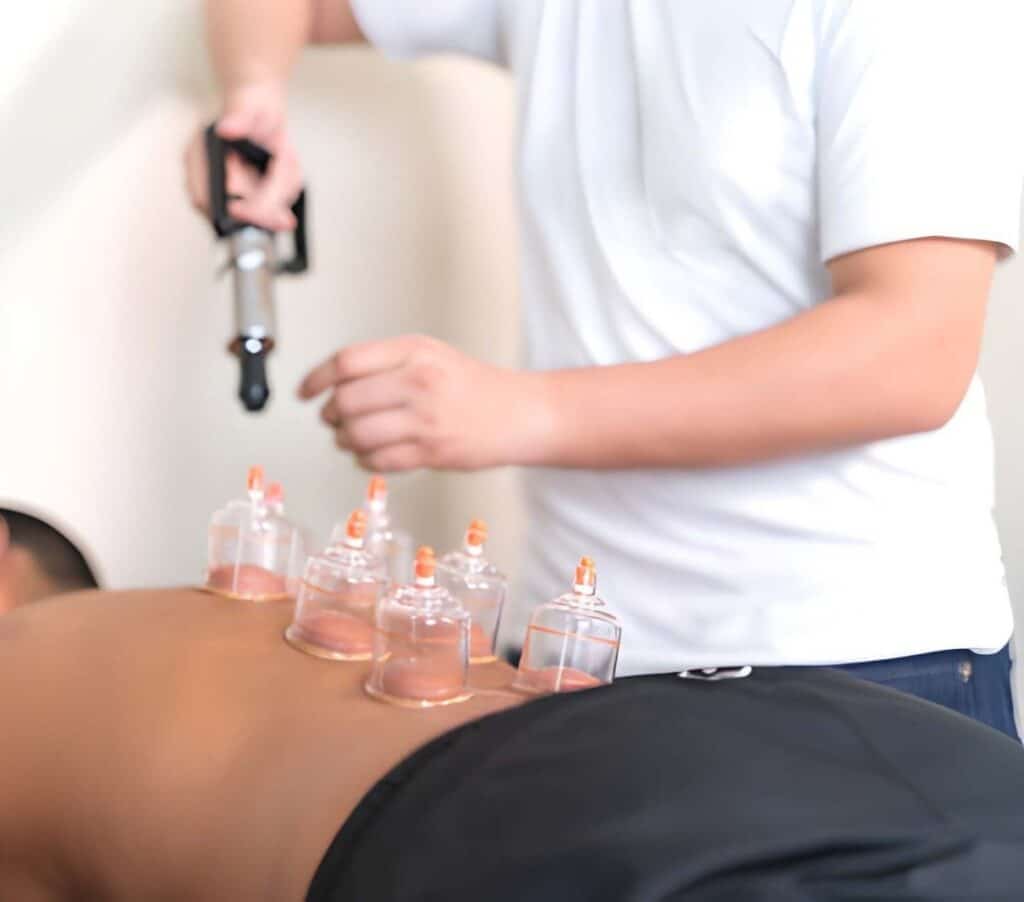
Hijama for People Living With Cancer | Complete Guide
Hijama, also known as wet cupping therapy, is a traditional practice used in many cultures for general wellness support. However, when it comes to serious conditions like cancer, people often have questions about whether it is safe, helpful, or appropriate. Therefore, it is important to understand hijama clearly, especially in the context of cancer care.
This guide explains what hijama is, how it is sometimes used, and what people living with cancer should carefully consider before thinking about it. In addition, it focuses on safety, medical guidance, and realistic expectations.
Can People With Cancer Use Hijama?
This is a very important question. People living with cancer often look for supportive therapies to feel better during treatment. However, hijama requires extra caution in such cases.
Cancer patients may have:
- Lower immunity due to the disease
- Weak blood counts from chemotherapy or radiation
- Higher risk of infection
- Slower healing ability
Therefore, any procedure that breaks the skin can increase risks.
In addition, cancer treatments often make the body more sensitive. As a result, even minor procedures can cause complications.
So, while some individuals may consider hijama for comfort, it should never replace medical cancer treatment.
Possible Risks of Hijama for Cancer Patients
Although hijama may seem natural, it still involves skin incisions and blood removal. Consequently, risks become more serious for cancer patients.
1. Infection Risk
Because hijama breaks the skin, bacteria can enter the body. Moreover, cancer patients often have weaker immune systems, which increases infection risk.
2. Bleeding Issues
Chemotherapy and other treatments can lower platelet counts. Therefore, even small cuts may lead to excessive bleeding or bruising.
3. Delayed Healing
Cancer and its treatments often slow down recovery. As a result, even minor wounds from cupping may take longer to heal.
4. Fatigue and Weakness
Hijama removes small amounts of blood. Consequently, this may increase fatigue in already weak patients.
Are There Any Hijama Benefits?
Some people report feeling relaxed or lighter after hijama. In addition, others say it helps reduce muscle tension or stress.
However, these effects are not specific to cancer treatment. Moreover, there is no strong clinical evidence that hijama treats cancer or improves survival outcomes.
Therefore, if someone with cancer considers hijama, it should only be for general relaxation and only with medical approval.
What Doctors Recommend
Most oncologists advise caution when it comes to hijama during cancer treatment. However, recommendations may vary depending on:
- Type of cancer
- Stage of treatment
- Blood test results
- Overall immune strength
Therefore, doctors usually evaluate risks before approving any complementary therapy.
In addition, healthcare providers may suggest safer alternatives for symptom relief, such as:
- Gentle physiotherapy
- Massage therapy (non-invasive)
- Breathing exercises
- Meditation or relaxation techniques
These options often provide comfort without physical risk.
When Hijama Should Be Avoided
People with cancer should avoid hijama in the following situations:
- During chemotherapy or radiation cycles
- If blood counts are low
- If there is an active infection
- If the skin is already sensitive or damaged
- If the doctor advises against it
Moreover, even after treatment, patients should wait until their body stabilizes before considering any form of cupping therapy.
Importance of Medical Guidance
Cancer is a complex condition. Therefore, no complementary therapy should be used without professional advice.
Always talk to:
- Oncologists
- Primary care doctors
- Licensed medical professionals
In addition, avoid relying only on traditional advice or social media claims. Instead, focus on evidence-based care first.
Hijama as a Supportive Practice (Not a Cure)
It is important to understand that hijama does not cure cancer. Moreover, it does not replace chemotherapy, surgery, or radiation therapy.
However, some patients explore supportive therapies to improve emotional well-being. Therefore, if hijama is considered at all, it should only be part of a broader care plan approved by a doctor.
In addition, hygiene standards, practitioner training, and sterilization matter a lot. Poor practices can increase serious health risks.
Safer Alternatives for Comfort
Instead of hijama, cancer patients may consider safer supportive methods, such as:
- Light stretching exercises
- Guided meditation
- Aromatherapy (doctor-approved)
- Nutritional support plans
- Counseling or emotional therapy
Moreover, these methods help reduce stress without adding physical risk.
Final Thoughts
Hijama has a long traditional history and continues to attract interest worldwide. However, for people living with cancer, safety must come first.
Therefore, anyone considering hijama should speak with their oncologist before making a decision. In addition, they should understand that hijama does not treat cancer and carries potential risks during treatment.
Ultimately, the safest approach is to prioritize medical treatment, stay informed, and use only approved supportive therapies.