Can Hijama Play a Role in Male Wellness and Fertility?
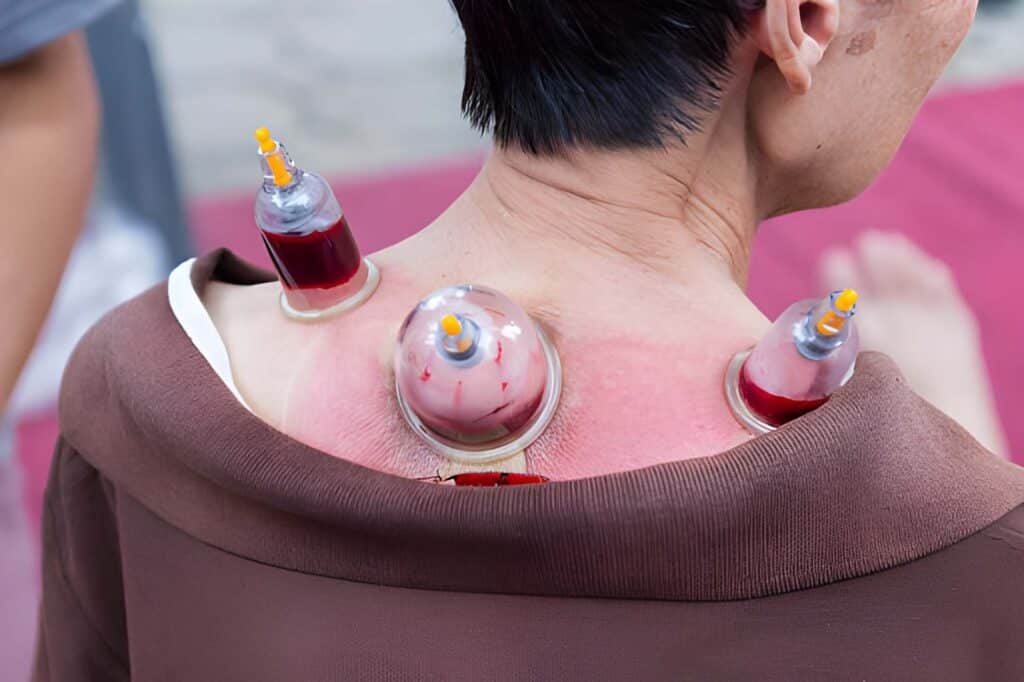
Hijama, also known as wet cupping therapy, has gained attention in natural wellness circles for its potential role in supporting male health. Moreover, many men now explore it as a complementary approach alongside modern medical care. However, it is important to understand what Hijama can and cannot do, especially when it comes to fertility.
In this article, we will break down how Hijama may support male wellness, how it relates to fertility, and what current understanding suggests. In addition, we will look at safety considerations and answer common questions.
How Hijama May Support Male Wellness
Men often seek Hijama for general health improvement. Although scientific evidence remains limited, some reported benefits include:
1. Improved Blood Circulation
Hijama may help stimulate blood flow in targeted areas. As a result, better circulation could support overall vitality and energy levels. In addition, improved circulation plays an important role in reproductive health.
2. Stress and Fatigue Reduction
Many men experience stress due to work, lifestyle, or hormonal imbalance. Hijama sessions often create a relaxing effect. Therefore, some individuals feel less tension and improved mental clarity afterward.
3. Muscle Recovery and Pain Relief
Athletes and active individuals sometimes use Hijama for muscle recovery. Moreover, better recovery and reduced inflammation may indirectly support hormonal balance and physical performance.
4. Hormonal Balance Support (Indirect)
Although Hijama does not directly regulate hormones, improved circulation, reduced stress, and better sleep may support the body’s natural hormone production. Consequently, overall male vitality may improve.
Can Hijama Influence Male Fertility?
Male fertility depends on several factors, including sperm count, sperm quality, hormone levels, lifestyle, and overall health. Hijama does not directly cure infertility. However, it may support conditions that influence reproductive health.
1. Blood Flow to Reproductive Organs
Good blood circulation supports healthy testicular function. Therefore, practitioners suggest that Hijama might indirectly improve reproductive organ performance by enhancing circulation.
2. Stress Reduction and Fertility
Stress affects testosterone levels and sperm production. Moreover, chronic stress can reduce libido and sexual performance. Since Hijama may help reduce stress, it could indirectly support fertility-related health.
3. Detoxification Perspective
Traditional practitioners believe Hijama helps remove toxins from the body. While modern science does not fully confirm this theory, improved general health and reduced inflammation may still benefit reproductive function.
4. Supportive, Not Curative Role
Hijama should not replace medical treatment for infertility. Instead, it can work as a supportive therapy alongside proper diagnosis, lifestyle changes, and medical care.
What Science Says About Hijama and Fertility
Currently, scientific research on Hijama and male fertility remains limited. Moreover, most available studies focus on pain relief, inflammation, and general wellness rather than reproductive outcomes.
However, some research on cupping therapy suggests potential benefits for circulation and muscle recovery. Consequently, some practitioners believe these effects may indirectly support reproductive health, but more clinical studies are needed.
Therefore, you should treat Hijama as a complementary wellness practice rather than a proven fertility treatment.
Who May Consider Hijama?
Hijama may be considered by men who:
- Feel low energy or chronic fatigue
- Experience stress-related symptoms
- Want to support general wellness
- Seek complementary therapies alongside medical care
However, men with fertility concerns should first consult a qualified doctor or urologist. After that, they can decide whether to include Hijama as part of a broader wellness plan.
Safety Considerations
Although Hijama is generally safe when performed by trained practitioners, it still involves skin incisions. Therefore, proper hygiene and professional technique matter a lot.
Keep these points in mind:
- Always choose a certified practitioner
- Ensure sterilized equipment is used
- Avoid Hijama if you have bleeding disorders unless a doctor approves it
- Discuss it with your healthcare provider if you are undergoing fertility treatment
In addition, avoid self-treatment because improper technique can lead to infection or complications.
Lifestyle Still Matters Most
Even though Hijama may support wellness, lifestyle plays a much bigger role in male fertility. For example:
- Balanced nutrition supports sperm health
- Regular exercise improves hormone levels
- Proper sleep regulates testosterone production
- Avoiding smoking and excessive alcohol protects fertility
Moreover, managing stress consistently has one of the strongest impacts on reproductive health.
Therefore, Hijama should work as a supportive practice, not a replacement for healthy habits.
Final Thoughts
Hijama may play a supportive role in male wellness by improving circulation, reducing stress, and promoting relaxation. Moreover, these factors can indirectly support reproductive health. However, Hijama does not directly treat infertility, and it should never replace medical evaluation.
Instead, men should view it as part of a broader wellness approach that includes medical guidance, lifestyle improvements, and regular health checkups. Consequently, when used responsibly, Hijama can complement overall male health strategies rather than act as a standalone solution.
FAQs
1. Can Hijama increase sperm count?
Hijama does not directly increase sperm count. However, it may support overall health, which can indirectly influence reproductive function.
2. How many sessions are needed for male wellness?
The number of sessions varies. Moreover, a practitioner usually recommends a personalized plan based on your health condition.
3. Is Hijama safe for fertility issues?
Yes, it is generally safe when performed correctly. However, you should consult a doctor before using it alongside fertility treatments.
4. Does Hijama improve testosterone levels?
Hijama does not directly change hormone levels. However, reduced stress and improved circulation may support natural hormonal balance.
5. Should Hijama replace medical fertility treatment?
No, Hijama should never replace medical treatment. Instead, it should act as a complementary wellness practice.